I began writing a book about trying to be beautiful. But the more I
wrote, the more it resembled a book about trying to be normal.
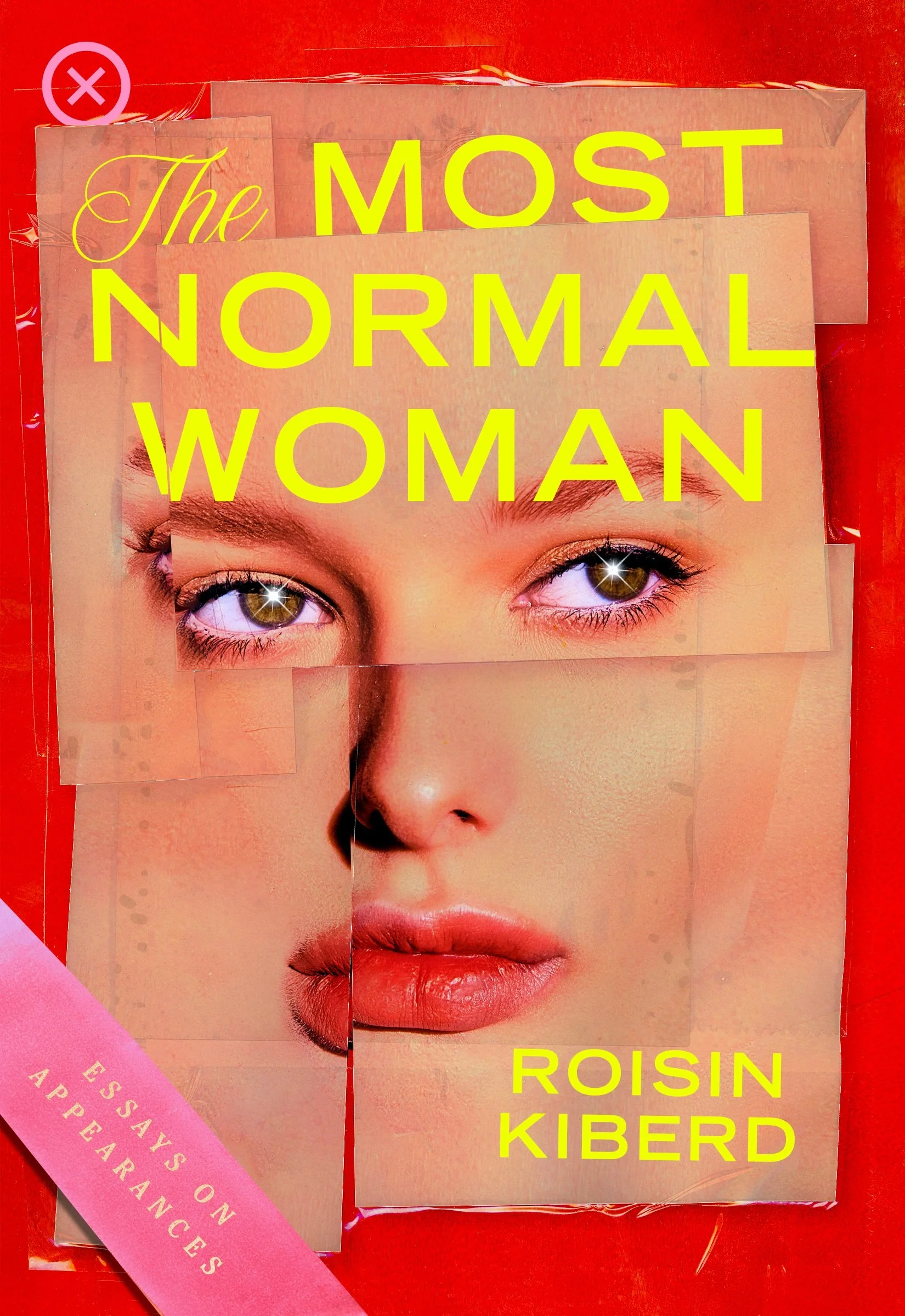
The Most Normal Woman
Essays on Appearances
by Roisin Kiberd
Non-fiction / essays / 27 August 2026 / Tramp Press / £14
‘What is normal, anyway? Following a trend. Fulfilling a standard. Appearing happy, comfortable, like someone living a stable, uncomplicated life…To me, normal represents unconditional love, unconditional acceptance, inhabiting the moment and not seeing myself from outside. Normal is the albatross around my neck.’ - Roisin Kiberd
In this dynamic new collection of essays, critically acclaimed author Roisin Kiberd dissects the business of attaining perfection – or even normality – through consumption and body modification.
Weaving critical commentary with personal experience, the author explores Botox, blondeness, exercise addiction, and subcultures including the underground drag scene and competitive dog shows to better understand how beauty is judged and defined.
From Westport to Paris, Dublin to Berlin, Versailles to the Ringsend Recycling Centre, Kiberd takes us on a journey of obsession with an unanticipated answer to the question: am I normal yet?
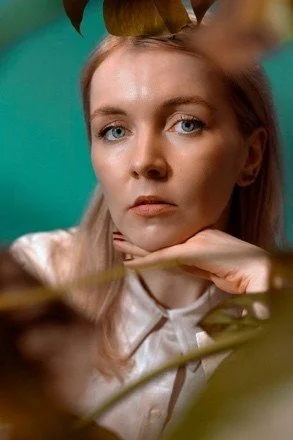
Roisin Kiberd has written essays and features for The Dublin Review, Winter Papers, The White Review, The Guardian and Vice. Her first book, The Disconnect: A Personal Journey Through the Internet, was published in 2021. She lectures in creative writing at the University of Galway and was non-fiction editor at The Stinging Fly.
@RoisinKiberd
Talking points / feature ideas:
The widespread late diagnosis of neurodivergence in women, and its backlash
Conformism in times of AI slop and rising fascism - and how it masquerades, in social media posts, as 'finding your identity'
What is 'clean girl beauty' and will it ever die?
My fantasy minimalist life
Fashion in times of financial nihilism - Klarna, debt, shopping addiction and price increases
How the internet runs on internalised misogyny - ‘Despite the rise and fall of third wave feminism, online misogyny never went away; when it's not coming from men, red-pilled or otherwise, it's from women under the guise of concern, 'snark', moral righteousness, or fandom of one woman leveraged to hate another. As someone who lived through, and keenly observed, the heyday of tabloid misogyny, it often feels as though a new generation has learned to repeat the same behaviours for themselves. Blending 2010s salaciousness with millennial self-righteousness and a healthy serving of Gen-Z apathy, we've created a new kind of internalised misogyny – one that is quieter than before, but almost ubiquitous.’
Why 'worryingly thin' returned to headlines – ‘Eating disorders have an eerie tendency to self-advance. Recovery memoirs end up reading like how-to guides. 'Concerned' online comments accidentally fetishise the thinness of their subjects. And the more we voice our concern for someone suffering, the more the disorder in them receives approval. In online and print media, this plays out as an addiction to the drama of speculation, the knowing headlines and comments generated when a celebrity surfaces after losing a significant amount of weight. I've seen this play out all of my life, from 90s heroin chic to 2000s tabloid cruelty, to the Perez Hilton era, to late 2010s debate around body positivity, all the way to today's Ozempic culture. I'm wondering if it's ever going to go away, and whether, if it doesn't, that means the disorder has ultimately won.’
On numbness as the aesthetic of an era – ‘Why are people visibly smoking again? Why do so many women write about a distinctly bland form of slow self-destruction, via sleeping with the wrong men and aimlessly wasting years of their lives? Why is it fashionable to pose for photos by rolling one's eyes back to show the whites, as though you're the recipient of a lobotomy? Could apathy be a response to the state of the world, a self-protective gesture against the danger of caring? Or is it the just the backlash to a decade of caring, to a performative degree?’
Selected praise for The Disconnect
‘Gripping and fascinating’ – Andrew Marr, BBC Radio 4
‘Wildly impressive, interesting and entertaining’ – The Irish Times
‘This book is excellent’ – Amy Liptrot
‘A brilliant debut collection – unsettling, illuminating, and perversely fun – by a writer of extraordinary style and intellectual range.’ – Mark O’Connell

Roisin is available for interviews, features and events.
For UK publicity please contact:
EMMA FINNIGAN PR
07870 210468 | emma@emmafinniganpr.co.uk | @emmafinnigan | www.emmafinniganpr.co.uk